Let me tell you, from the moment we realized we had foundation issues to finding a general contractor for the project, it was a long journey. Sometimes, I felt like my ears just shut down. The contractor spoke English, but it was “technical English,” and honestly, 40% of what they said went over my head. I often felt like I didn’t even know how to frame my questions to make them understand my concerns.
But with my home’s stability on the line, I knew I couldn’t afford to overlook key details before the work began. Doing so could lead to unexpected costs, frustrating delays, and even long-term regrets.
As a homeowner in Salem, Massachusetts (or anywhere else for that matter!), you want peace of mind, not unwelcome surprises. Looking back, here are 10 crucial questions I genuinely wish I had asked our foundation repair contractor before they even started doing their work.
1. “Beyond the immediate repair, what potential future issues could arise from the original cause of the foundation damage? How does your proposed solution address or mitigate these potential issues?”
This question is all about long-term thinking. A good contractor doesn’t just fix the symptom; they truly understand the root cause. For instance, if your foundation issues stem from expansive clay soil, simply leveling your home without addressing drainage or soil stabilization could lead to recurring problems down the line. Make sure they explain their holistic approach.
2. “What specific measures do you take to protect my landscaping? How do you ensure the safety of my hardscaping such as driveways, patios, and fences? What precautions are in place to safeguard utilities like water lines and gas lines during the repair process?”
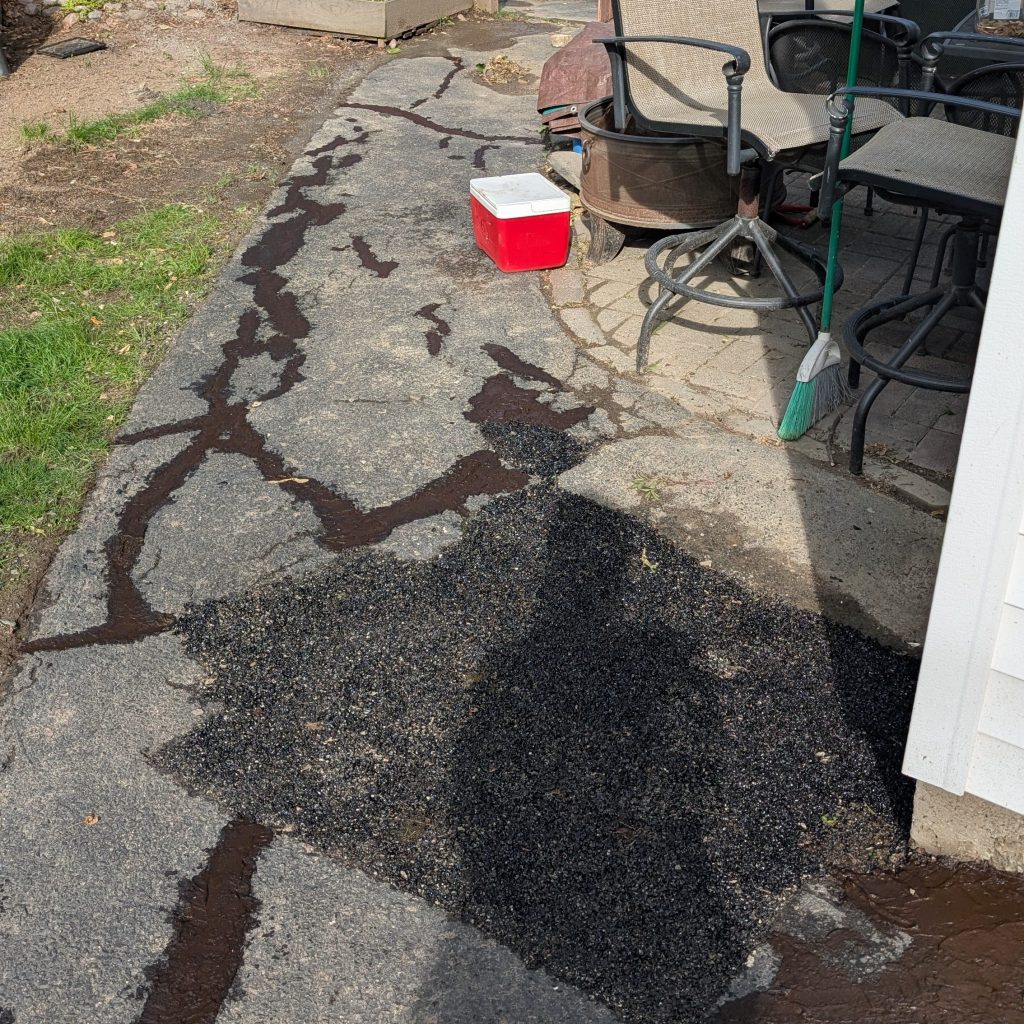
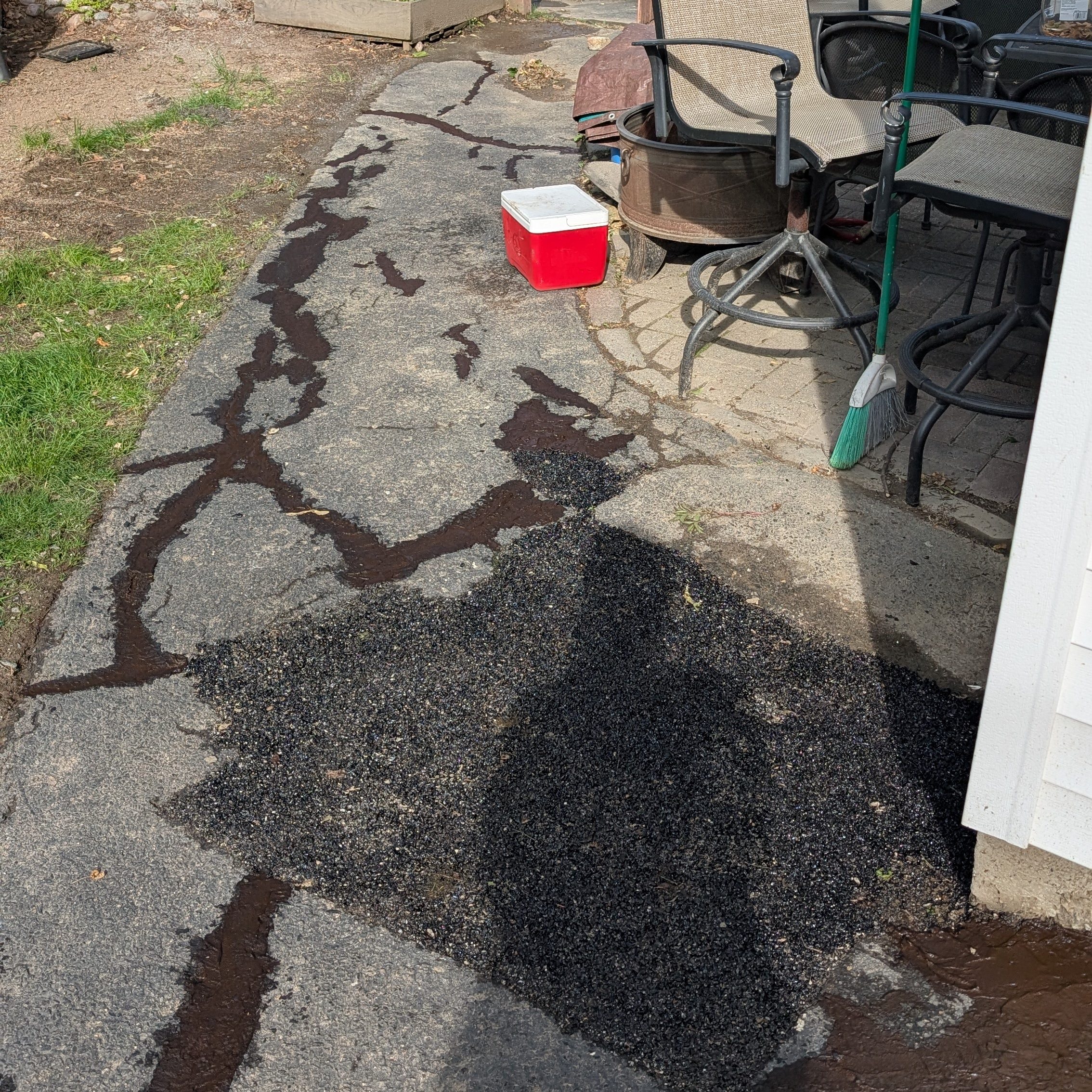
Foundation repair can be quite invasive. Many homeowners are shocked to discover damaged sprinkler systems, unpatched areas where they’ve installed piers, cracked driveways, or even dead grass after the crew leaves. A professional contractor should have a clear plan for protecting your property and, crucially, restoring it to its original condition. Don’t be like us – we’re currently patching asphalt ourselves!
3. “What is your plan for managing and disposing of excavated soil and debris? Is the cost of this included in the estimate?”
Excavated soil can pile up quickly. If not properly managed, you could be left with a substantial, unsightly mound of dirt on your property, requiring you to arrange and pay for its removal. Clarify this upfront to avoid an unexpected cleanup bill.
4. “What is the typical timeframe for this type of repair, and what factors could cause delays? How will you communicate any delays?”
Let’s be honest: contractors are often late – not just a couple of days, but potentially months of delays! It was incredibly frustrating for us due to winter weather and town permits. Unforeseen circumstances, like extreme weather or material availability, can definitely impact project timelines. Understanding potential roadblocks and how your contractor will keep you informed about any delays will help set realistic expectations and reduce frustration.
5. “What is your payment schedule, and what happens if the scope of work changes during the repair?”
This is so important, especially since most of us will be using loans to pay for such a big project. If the contractors offer you a payment plan, that’s great, but you need to understand when these payments are due and if there’s any interest if you don’t pay on time. More importantly, foundation issues can be complex, and sometimes additional problems are uncovered once work begins.
Also, trust me on this: ask about their process for handling change orders, because it WILL happen. 99% of projects will have change orders. For us, it was concrete removal in an area where they had to put down helical piers. The structural engineer thought the area was just dirt, but the crew later discovered it was concrete, so they had to use different machinery… and they charged us more.
6. “What is your warranty on the repair work, and is it transferable if I sell my home?”
A strong, transferable warranty is a huge asset. It offers incredible peace of mind and can significantly add value to your home. Understand exactly what the warranty covers (e.g., settling, structural integrity, specific products) and for how long. We were so thankful to have a transferable warranty for our foundation!
7. “What is your process for final inspection and cleanup once the work is complete?”
You want to ensure the work site is left tidy. Make sure you have a formal opportunity to review the completed work with the contractor. Do this before making your final payment. This ensures everything is to your satisfaction and no lingering issues are left unaddressed.
8. “How do you handle potential dust and debris inside my home, especially if interior work is required?”
Interior foundation work can generate a surprising amount of dust and mess. Ask if they use dust barriers, protective coverings, or HEPA filters to minimize the disruption to your living space.
9. “Can you provide references from clients whose projects were similar in scope and complexity to mine? Ideally, these should be from a few years ago. This way, I can inquire about the long-term effectiveness of the repair.”
Recent references are good. However, hearing from clients whose repairs were completed several years ago offers invaluable insight. It reveals the longevity and durability of the contractor’s work. This is especially crucial for something as long-lasting as foundation repair.
10. “Are you licensed, bonded, and insured specifically for foundation repair in this area? Can you provide proof of insurance?”
This is non-negotiable! “Licensed” ensures they meet professional standards. “Bonded” protects you if they fail to complete the work or meet financial obligations. “Insured” (both liability and workers’ compensation) protects you from financial responsibility in case of accidents or damage on your property. Always ask for proof!
By asking these often-forgotten questions, you will gain a thorough understanding of the contractor’s process. You will identify potential challenges. You will also grasp the long-term implications of their work. This proactive approach will undoubtedly lead to a smoother experience, a more durable repair, and ultimately, true peace of mind for your home.
Don’t let unexpected surprises sink your foundation repair project!


 The Resilient Dollar
Leave a comment