
If you ask me, how much emergency fund is enough? My answer is simple, yet profound: it depends on where you are in your life right now. It’s not a one-size-fits-all magic number. Your financial safety net should be as unique as your fingerprint.
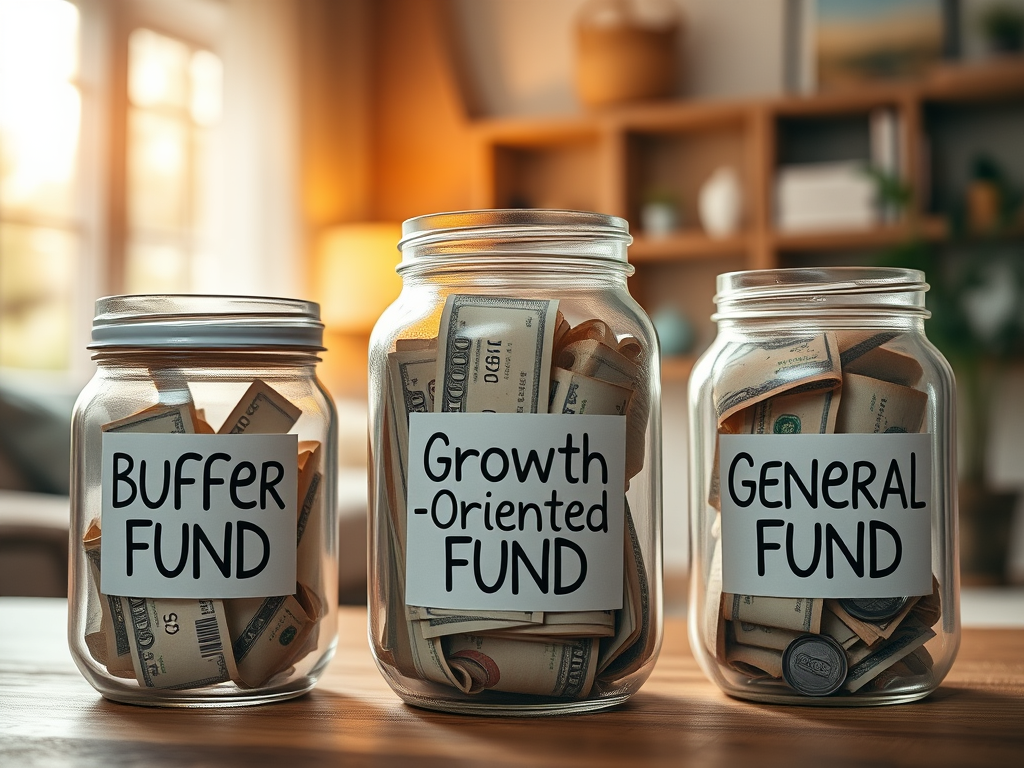
If You’re Just Starting Out: The “Buffer” Fund
When you’re fresh out of the gate, maybe navigating your first few jobs, money often feels like it’s doing a magic trick. Now you see it, now you don’t! Money leaves faster than it arrives. It is quickly swallowed by rent, groceries, and transportation. You’re just trying to keep your head above water. For this chapter of your life, an “emergency fund” might sound like a luxurious myth.
But here’s the thing: you still need a cushion. I’m not talking about a fully-fledged emergency fund here, but a buffer. Think of it as having an extra $5,000-$10,000 tucked away. This isn’t mainly for job loss, though it could help. It’s for those annoying little curveballs life throws. These might be a $800 car repair. It could be an unexpected medical bill. It may just be bridging the gap between paychecks when things get tight. I see it all the time with my tenants here in Connecticut. They’re making enough to live, but that little buffer makes a big difference in their peace of mind.

Making Progress: The “Growth-Oriented” Fund
You’re hitting your stride. You’re making a decent income. You’re starting to feel like you’re actually getting somewhere financially. Congratulations! This is an exciting phase. You’re probably dipping your toes into investing, maybe even dreaming bigger. For this group, I still think a $10,000 buffer is a solid baseline.
Why not more? Because you don’t want all your hard-earned cash sitting stagnant. Your money should be working for you, not just sitting there gathering dust. A portion of it, yes, should be liquid and accessible, but the rest? That’s for fueling your future, investing in opportunities, and building true wealth.
For Young People: It’s Not an Emergency Fund, It’s a General Fund
Here’s where I might ruffle some feathers, but hear me out.
For most young people, I truly believe you don’t need an “emergency fund.” What you need is a general fund.
“Wait, what’s the difference?” you ask? Oh, it’s a huge difference, my friend. An emergency fund is purely defensive – it’s about reacting to bad things. A general fund, however, is about opportunity. It’s about being nimble, proactive, and ready to pounce on the good stuff that comes your way.
The Power of Your General Fund: Beyond Just Surviving
Let’s unpack this “general fund” idea because it’s a game-changer.
An emergency fund is like a fire extinguisher – you hope you never use it, but it’s there if things go sideways. A general fund? That’s your Swiss Army knife. It’s multi-functional, versatile, and designed to not only catch you when you fall but also help you climb higher.
Here’s why a general fund is your secret weapon as a young person:
- Career Agility: The job market today is a wild beast. Your general fund gives you the freedom to pivot. Want to take a lower-paying job that aligns with your passion? Dreaming of an unpaid internship that could launch your dream career? Your general fund is the runway that lets you take flight without stressing about rent.
- Investing in YOU: The world moves fast. A general fund allows you to invest in your most valuable asset: yourself. That certification course you need? A workshop to pick up a new skill? Or maybe even a short sabbatical to really dive deep into learning something new? Your general fund makes it possible.
- Seizing Opportunities: Sometimes, life throws you a curveball that’s actually a gift in disguise. A last-minute flight deal to a place you’ve always dreamed of? A chance to invest in a friend’s promising startup? Your general fund means you can say “yes” to these moments instead of watching them pass you by.
So, how much for this magical general fund? For most young people, I’d aim for $15,000 to $25,000. You can even aim for more if your income allows and you’ve got big dreams brewing. This isn’t just about covering a few months of bills. It’s about giving you the incredible gift of options and freedom. Keep this money somewhere easily accessible, like a high-yield savings account, so it’s ready when you need it.
As Life Unfolds: Your Fund Grows with You
Life isn’t static, and neither should your financial strategy be. As you move through different chapters, your “enough” will naturally evolve.
- With a Growing Family: If you’re a parent, or supporting others, your safety net needs to be significantly wider. We’re talking 6-12 months of all living expenses, from childcare to doctor’s visits. You’re responsible for more than just yourself now, and your fund should reflect that profound commitment.
- The Homeowner’s Buffer: Owning a home is a joy, but it also comes with the delightful surprise of unexpected repairs. On top of your personal living expenses, factor in a dedicated amount for home maintenance – think 1-3% of your home’s value set aside annually for those “just in case” moments.
- Nearing Retirement: As you approach those golden years, capital preservation becomes paramount. Your fund should be robust, perhaps 12-24 months of living expenses. This is your ultimate shield against market wobbles or unforeseen medical costs, ensuring you don’t have to raid your retirement investments in a downturn.
- The Entrepreneurial Spirit: If you’re building your own business or working for yourself, your income can be a bit of a rollercoaster. Your fund needs to reflect that variability. Aim for 9-18 months of both business and personal living expenses to cushion you through slower periods or client payment delays.
Where to Keep Your Hard-Earned Cash
No matter what you call your fund – emergency, general, or super-awesome-life-flexibility-fund – where you keep it matters.
- High-Yield Savings Accounts (HYSAs): These are your best friend. They offer better interest rates than traditional savings accounts, keeping your money accessible and earning a little extra.
- Money Market Accounts (MMAs): Similar to HYSAs, sometimes with slightly better rates and check-writing options.
- A “Ladder” of Short-Term CDs: If you want a tiny bit more return on a portion of your fund, you could consider “laddering” short-term CDs (e.g., a 3-month, a 6-month, and a 1-year CD). As one matures, it becomes available, giving you liquidity with slightly better rates. But don’t tie up all your funds here!
What NOT to do:
- Don’t keep it all in your checking account: It’s too easy to spend it, and it won’t earn you anything.
- Don’t invest it in volatile assets: Stocks, crypto, your cousin’s wild new startup idea – these are NOT for your emergency or general fund. The goal here is safety and easy access, not high returns.
The Ultimate Takeaway: It’s YOUR Financial Peace of Mind
Ultimately, the perfect amount for your emergency or general fund isn’t some universal truth; it’s deeply, wonderfully personal. It’s about knowing your own financial landscape, eyeing those potential bumps in the road, and creating a safety net that lets you sleep soundly at night.
So, take a moment. Look at your life. What makes you feel secure? What opportunities do you want to be ready for? Your fund is a living thing, just like your life. Review it regularly, adjust it as things change, and make sure it’s always serving you. Because being prepared isn’t just smart; it’s empowering.
What’s the next step you’re going to take to build your fund?


 The Resilient Dollar
Leave a comment