Let’s be honest—when someone says “foundation repair,” your brain probably jumps straight to a horror scene involving bulldozers, huge bills, and living out of suitcases. And that’s not totally off. Foundation issues can be intimidating because they literally strike at the base of your home.
Here’s the cold, hard truth: foundation repair often isn’t cheap. Minor fixes might cost $4,000–$10,000. Major structural repairs? They can soar into the $10,000–$50,000+ range. In some rare, nightmare cases—like if your foundation was built with pyrrhotite-laced sand?—you might be staring down a $200K bill.
What is Foundational Repair?
Your home’s foundation is like the roots of a tree—it keeps everything anchored, aligned, and upright. It supports the entire structure and distributes the weight evenly to prevent sagging, cracking, or even collapse.
When the foundation shifts, cracks, or sinks, everything above it starts to show the stress. Your walls may crack. Your doors may stick. Your floors might feel more like a funhouse than a home.

Why is Foundational Repair Needed?
Through consulting with several contractors, we identified four major factors. These can contribute to foundation problems. These include:
- Soil Issues: If your home was built on expansive clay or poorly compacted fill, it’s vulnerable. Wet soil expands, dry soil contracts—and that constant shifting puts pressure on your foundation. (If you live in areas of Massachusetts or Connecticut, be wary of pyrrhotite—a mineral that expands and destroys concrete over time. Fixing this isn’t a small job. We’re talking six figures in repairs!)
- Poor Drainage: Water pooling around the foundation can lead to cracks and weakening. Keep your foundation away from water pooling!
- Age and Settling: Old houses settle over time. This natural shift can result in slight foundation movement. Homes built in the early 1900s, like mine (built in 1902), are especially prone to this kind of issue.
- Construction Defects: Sometimes, problems can occur due to errors in the initial construction of the foundation.
When the foundation is compromised, it can cause various issues in the house, such as:
- Cracks in walls and ceilings: Small cracks? Maybe just cosmetic. Large cracks? especially those wider than 1/4 inch or that are zig-zagging through the walls or floors.
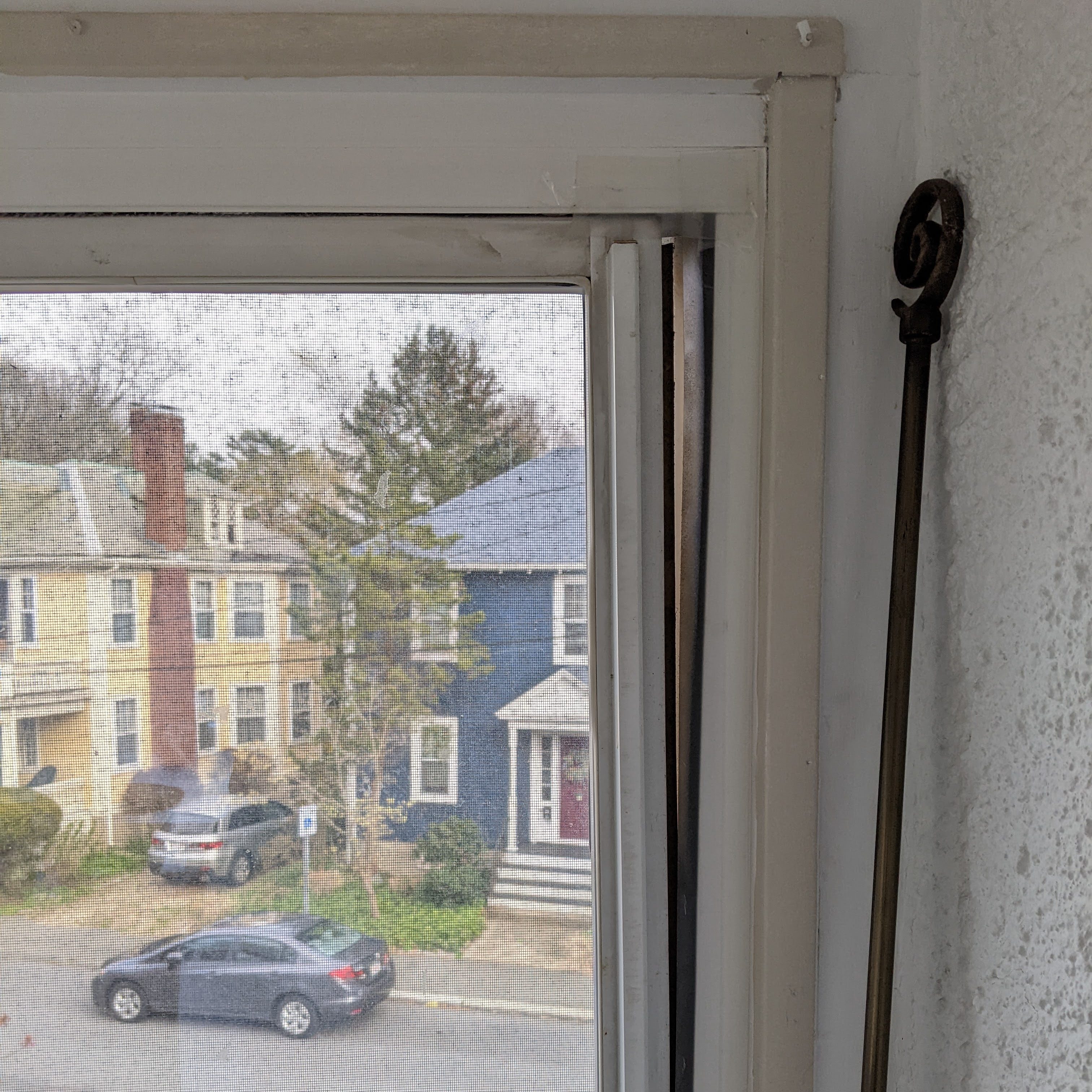
- Doors and windows that stick or don’t close properly: If your doors or windows suddenly start jamming or won’t latch—check the foundation. Shifts in the base can cause frames to twist.
- Uneven floors: Walking across a room and suddenly feeling like you’re walking uphill? Yeah, that’s not good.
- Chimney leaning or water leaks: If your chimney starts pulling away from the house or your basement becomes a swamp, foundation problems could be the culprit.
Check out my previous blog to learn about how we discovered our foundation issues!
Types of Repairs Needed
The specific repairs needed depend on the nature and severity of the foundation problems. Here are some common types of foundational repairs:
- Crack Repair: Filling cracks in the foundation walls or slab. This is often done with epoxy or other sealants.
- Underpinning: Strengthening the existing foundation by adding support beneath it. This can involve installing steel piers or concrete supports.
- Slab Jacking: Lifting and leveling a sunken concrete slab by pumping grout underneath it.
- Drainage Improvements: Addressing water pooling around the foundation by installing drains or improving grading.
This information is intended to provide general understanding. It’s important to seek professional advice. This will help determine the specific repairs that might be needed for a particular situation.
| Type of Repair | What It Addresses | Typical Symptoms |
|---|---|---|
| Crack Repair | Minor cracks | Small wall/ceiling cracks |
| Underpinning | Major settling | Uneven floors, large wall cracks |
| Slab Jacking | Sunken concrete slab | Sinking sidewalk, driveway |
| Drainage Improvements | Water pooling | Wet basement, foundation cracks |
Our Case Study: A Real-Life Foundation Repair Experience
Background of our house
Our home was built in 1902 in Salem MA, multi-family. Settling over 100+ years took its toll. We didn’t have pyrrhotite (thank goodness!), but the foundation was shifting enough to need professional help.
Diagnosis by a Structural Engineer
A licensed structural engineer inspected our property. They designed a solution that involved Ram Jack underpinning with 6 exterior steel piles. It wasn’t cheap, but it was solid.
Check out my previous blog post to know how we found Ram Jack for our project.
Deck Issues and Code Violations
The deck? Another story. Our house was built with undersized beams and no real structural integrity, no insulation so it’s like a freezer in the winter. We had to replace all 3-inch beams with 6-inch beams to meet code.
The Bottom Line: Don’t Ignore Foundation Issues!
Foundational repair can seem daunting. It has the potential for significant costs. However, it is a critical investment in your home’s longevity, safety, and value. Ignoring the warning signs will only lead to more extensive and potentially even more costly repairs down the line. Just like a failing HVAC system (which can cost $5,000-$15,000 to replace) or a new roof ($5,000-$12,900+), foundation work is a major home system that demands attention.
If you suspect foundation issues, always consult with a qualified structural engineer or a reputable foundation repair specialist. They can accurately diagnose the problem and recommend the most effective and lasting solutions for your unique situation.
Hopefully, this breakdown has shed some light on the “what” and “why” of foundational repair, empowering you with the knowledge to protect your home.


 The Resilient Dollar
Leave a comment